


Sichuan-Chongqing Cured Meats: A Millennial Legend of New Year Flavors
Cured meat has a long history in China, dating back to the Zhou Dynasty, when it was called "fu, luo, la" and was a delicacy at banquets. With historical changes and population migrations, the craft of cured meat production has uniquely developed in the humid southern regions, especially in the Sichuan-Chongqing area.
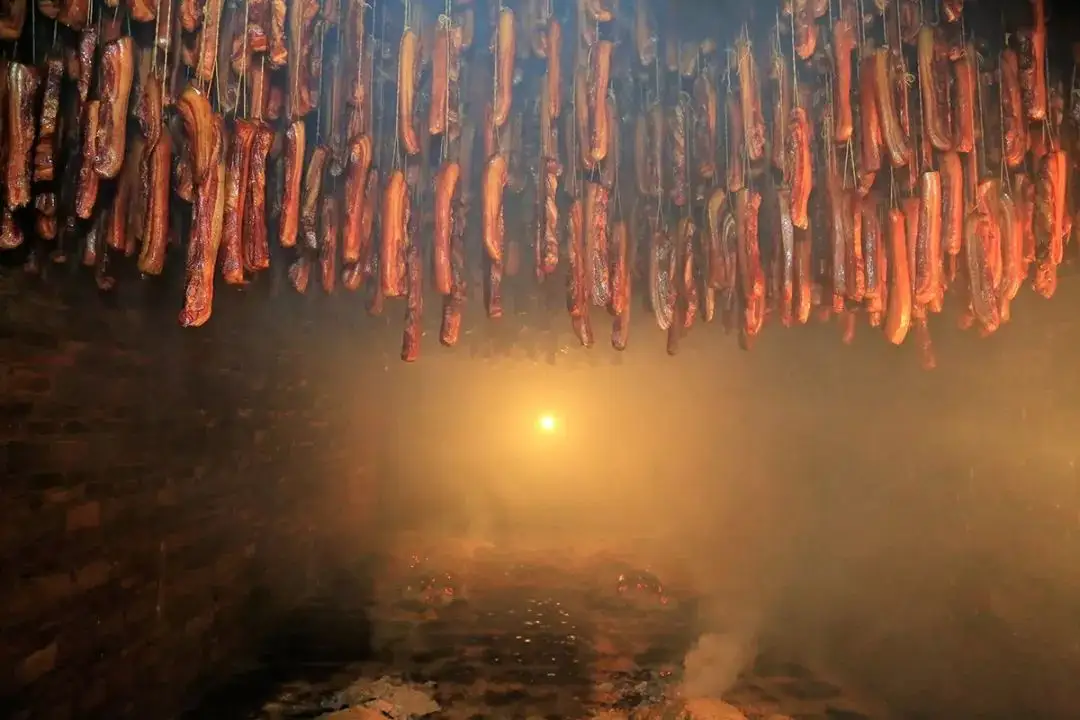
The Sichuan-Chongqing region is humid and foggy in winter, making food difficult to preserve. The high-salt curing and smoking process of cured meat is precisely the crystallization of wisdom adapted to this climate. In ancient times, "pickle vegetables during Minor Snow, cure meat during Major Snow" was a seasonal pattern followed by every household. The "New Year pig" slaughtered around the Winter Solstice, after careful processing, became cured meat that could be preserved for months, ensuring the meat supply for farming families during winter and spring.
Craftsmanship Inheritance
The production of Sichuan-Chongqing cured meat is a craft that integrates natural laws and cultural wisdom. From material selection to finished product, every step embodies generations of experience.
In material selection, Sichuan-Chongqing cured meat favors local native pork, with firm meat texture and a balanced ratio of fat and lean. During processing, the meat is cut into uniform strips for easy curing and air-drying. The curing stage is quite crucial, with dozens of spices such as Sichuan pepper, star anise, and cinnamon mixed with salt in proportion and evenly spread on the meat. Different regions and families have their own "secret recipes," forming distinctive flavors.
Smoking is the core process that distinguishes Sichuan-Chongqing cured meats from those in other regions. In the mountainous areas of Chongqing, people often choose cypress branches, oak wood, orange peels, and other materials for smoking, using low heat and thin smoke for several days. The fragrance of cypress, the richness of oak, and the fruity aroma of orange peels layer by layer penetrate into the meat, forming a unique flavor. In some areas of Sichuan, there is a tradition of air-drying, utilizing the dry climate and intense ultraviolet rays of the plateau to create another type of cured meat flavor.
Culture and Nostalgia in Cured Meats
In Sichuan-Chongqing, cured meats have long transcended food itself, becoming cultural carriers and emotional bonds.
Cured meats are a measure of the abundance of festivals. In the past, the amount and quality of cured meat hanging under a family's eaves often indicated that the family was hardworking and prosperous. Even today, making and exchanging cured meats during the twelfth lunar month remains an important New Year custom in the Sichuan-Chongqing region.
For Sichuan-Chongqing wanderers, cured meats are the strongest nostalgia. When leaving home during Spring Festival, luggage always includes cured meats prepared by family. In a distant kitchen, boiling a piece of hometown cured pork or steaming a familiar sausage, that familiar taste can instantly transport one back to their hometown thousands of miles away.
Contemporary Development of Cured Meats
With the changes of the times, Sichuan-Chongqing cured meats continue to innovate while being passed down.
On one hand, traditional craftsmanship is being protected and promoted. Chongqing Chengkou aged cured meat, Sichuan Beichuan Qiang ethnic cured meat making techniques, and others have been listed in the intangible cultural heritage registry. Many adhere to ancient methods, insist on handmade production, and maintain traditional flavors.
On the other hand, the cured meat industry is also developing towards standardization and scale. The introduction of modern food processing technology has made cured meat production safer and more hygienic; vacuum packaging and cold chain logistics have enabled Sichuan-Chongqing cured meats to reach the whole country and even the world; e-commerce platforms have opened up new sales channels for traditional cured meats.
This wisp of smoke and fire that has traveled through a thousand years continues to write new stories. And every Sichuan-Chongqing person is a continuation writer of this story.